4 Blackstone Street, Wetherill Park, Sydney, NSW 2164
4 Blackstone Street, Wetherill Park, Sydney, NSW 2164
4 Blackstone Street, Wetherill Park, Sydney, NSW 2164
4 Blackstone Street, Wetherill Park, Sydney, NSW 2164
4 Blackstone Street, Wetherill Park, Sydney, NSW 2164

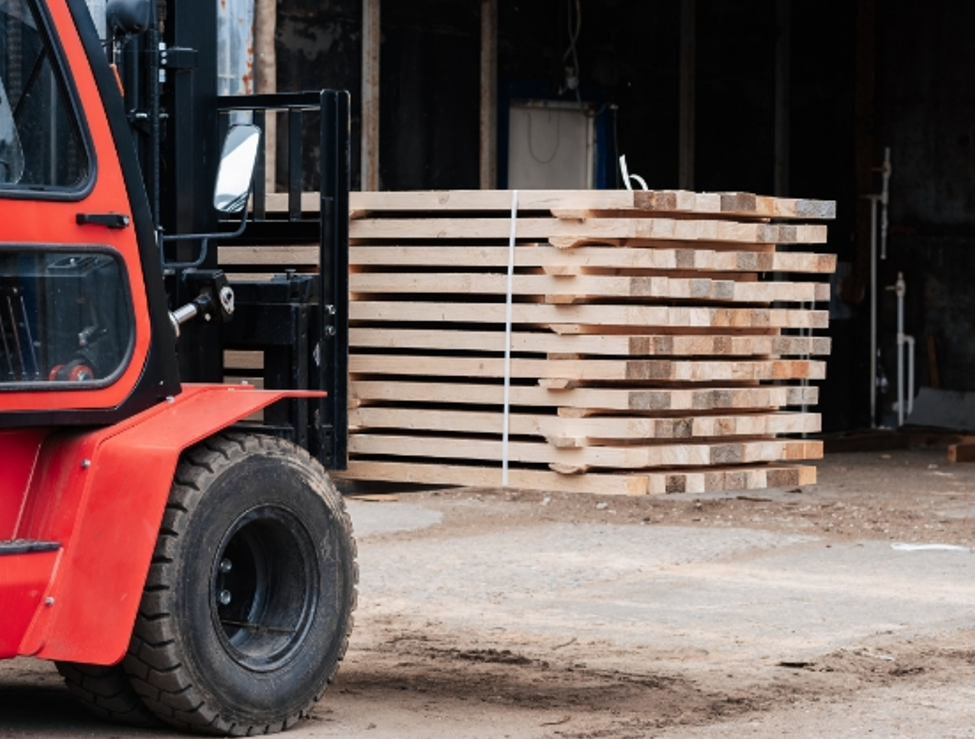
Exporting timber or timber-based goods internationally requires more than just a standard pallet. There are strict regulations in place to prevent the spread of pests and diseases, and compliance is essential to ensure shipments reach their destination safely and on time. In Australia, these regulations are governed by the International Standards for Phytosanitary Measures No. 15 (ISPM 15), which sets global requirements for timber packaging used in international trade.
At Pace Pallet Services, we are proud to operate as an AWPCS-certified manufacturer, authorised to produce ISPM 15 compliant pallets. This means every pallet we manufacture and supply meets rigorous international standards and carries the correct certification markings to satisfy biosecurity requirements worldwide.
In this article, we’ll explain why ISPM 15 certification matters, how the process works, and how certified pallets are produced, stamped, and delivered to ensure compliance for your export operations.
Wood is a natural material that can harbour pests, fungi, and other organisms capable of causing damage to forestry, agriculture, and local ecosystems. To mitigate these risks, many countries require that timber packaging—including pallets, crates, and dunnage—be treated and certified according to ISPM 15 standards.
ISPM 15 is a global phytosanitary standard developed by the International Plant Protection Convention (IPPC) to regulate the treatment of wooden packaging materials. In Australia, compliance with ISPM 15 is administered under the Australian Wood Packaging Certification Scheme (AWPCS), ensuring that timber packaging leaving the country meets the required treatment, marking, and audit standards.
Failure to comply with ISPM 15 can result in:
Using certified ISPM 15 pallets eliminates these risks, providing confidence that your timber exports will meet all biosecurity requirements.
ISPM 15 compliance involves a combination of timber sourcing, treatment, and certification. While the treatment methods are typically carried out at the mill level, manufacturers like Pace Pallet Services play a critical role in producing compliant pallets for export.
1. Sourcing Certified Timber
All pallets produced for export must start with pre-certified, treated timber sourced from AWPCS-approved mills. This ensures that the timber already meets the required heat treatment or fumigation standards necessary for international transport. Using certified timber provides a solid foundation for the pallet to be compliant and fully traceable.
At Pace Pallet Services, we procure only export-grade timber from verified mills, giving our clients the assurance that every pallet we manufacture begins with certified, high-quality materials.
2. In-House Pallet Manufacturing
Once certified timber is delivered to our facility in Wetherill Park, Sydney, our experienced team constructs pallets to custom specifications. Each pallet is designed to meet the specific weight, load, and dimensional requirements of the client while maintaining compliance with ISPM 15 standards.
By controlling the manufacturing process in-house, we ensure:
Our ability to manufacture custom export pallets allows businesses to confidently ship timber or other goods knowing the pallet meets international regulations.
3. Certification and Stamping
As an AWPCS-certified pallet manufacturer, Pace Pallet Services is authorised to apply the ISPM 15 mark to each pallet we produce. The stamp serves as proof of compliance for customs authorities and is a critical component of international shipping documentation.
Each pallet is physically stamped, typically on two sides for visibility, and additional markings may be applied for larger crates. The standard ISPM 15 stamp includes:
This stamping process guarantees that every pallet leaving our facility is traceable, certified, and ready for export.
Even with certified pallets, exporters should consider the following:
Businesses in Sydney, Wetherill Park, and across NSW benefit from local access to certified export pallets, reducing lead times and supporting efficient logistics.
Partnering with an AWPCS-certified pallet manufacturer ensures that:
Pace Pallet Services combines technical expertise, certified materials, and in-house manufacturing to produce reliable ISPM 15 compliant pallets for exporters across Australia.
Q: Can I use untreated pallets for exporting timber?
A: No. Only ISPM 15 certified pallets or timber packaging treated according to approved methods can be used for international shipments. Untreated pallets risk rejection, quarantine, or destruction.
Q: How can I identify a certified export pallet?
A: Look for the ISPM 15 stamp showing the IPPC symbol, country code, certification number, and treatment method. At Pace Pallet Services, our stamp is applied to two sides of each pallet for visibility.
Q: Can stamped pallets be reused?
A: Yes, as long as the pallet remains structurally intact and no untreated repairs are made. Reuse must not compromise the stamp or certification.
Exporting timber requires pallets that are certified under ISPM 15, manufactured to high standards, and stamped to verify compliance. By sourcing pre-certified timber and producing pallets in-house under strict AWPCS supervision, Pace Pallet Services ensures that every pallet is export-ready, reliable, and compliant.
Our approach guarantees that exporters in Sydney, Wetherill Park, and throughout NSW can confidently ship timber without risking quarantine delays or compliance issues.
For more information about our certified export pallets or to discuss your requirements, explore our Custom Pallets page, visit Home, or Contact us today. Learn more About Us and see why we are trusted across the export industry.

We never compromise on quality. Your product safety is our top priority. That is our assurance.

 02 9604 2700
 Previous Blog